Category:
History
Published:
Nov 30, 2025
Updated:
Nov 30, 2025
Reading time:
1 minute
The Origins of the Printing Press
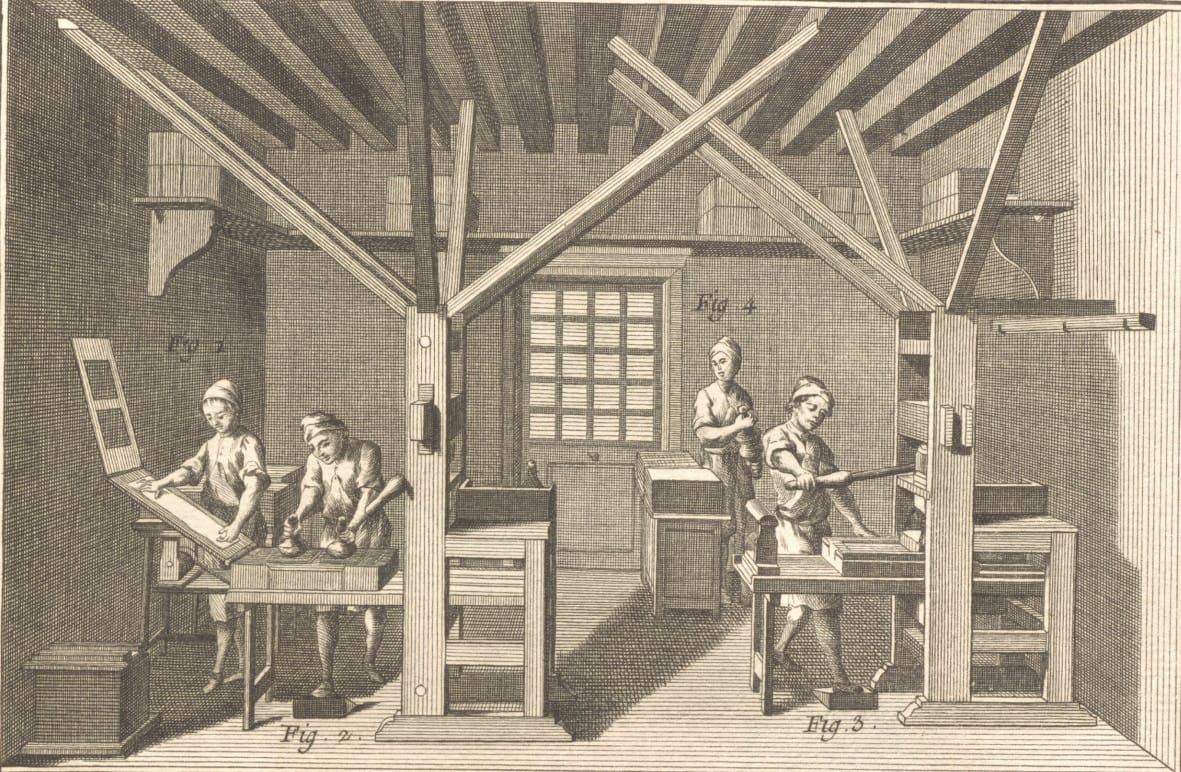
In the mid-15th century, Johannes Gutenberg of Mainz, Germany, created a technology that would change the world forever: the movable-type printing press.
Before the Press
Books were copied by hand, usually by monks in monasteries.
This process was slow, expensive, and prone to errors — even a single page could take days to produce.
Gutenberg’s Innovation
Gutenberg combined several ideas in one machine:
- Movable metal type for letters and symbols
- Oil-based ink that adhered well to metal
- A screw press adapted from wine presses
This allowed rapid reproduction of texts, making books more accessible and affordable than ever before.
Impact on Society
The press didn’t just speed up book production — it fueled education, literacy, and scientific thought.
Within decades:
- Religious texts spread beyond monasteries
- Scholars could share ideas faster
- Maps, music, and legal documents became easier to reproduce
Essentially, Gutenberg’s invention laid the foundation for the information revolution centuries before computers existed.
Elias’ Take
It’s fascinating to think that a simple mechanical press could ripple through history so profoundly.
From handwritten manuscripts to mass-produced books, the printing press shows how technology can transform culture in ways we still feel today.