Category:
Technology
Published:
Nov 16, 2025
Updated:
Nov 16, 2025
Reading time:
2 minutes
What Is a Smart City?
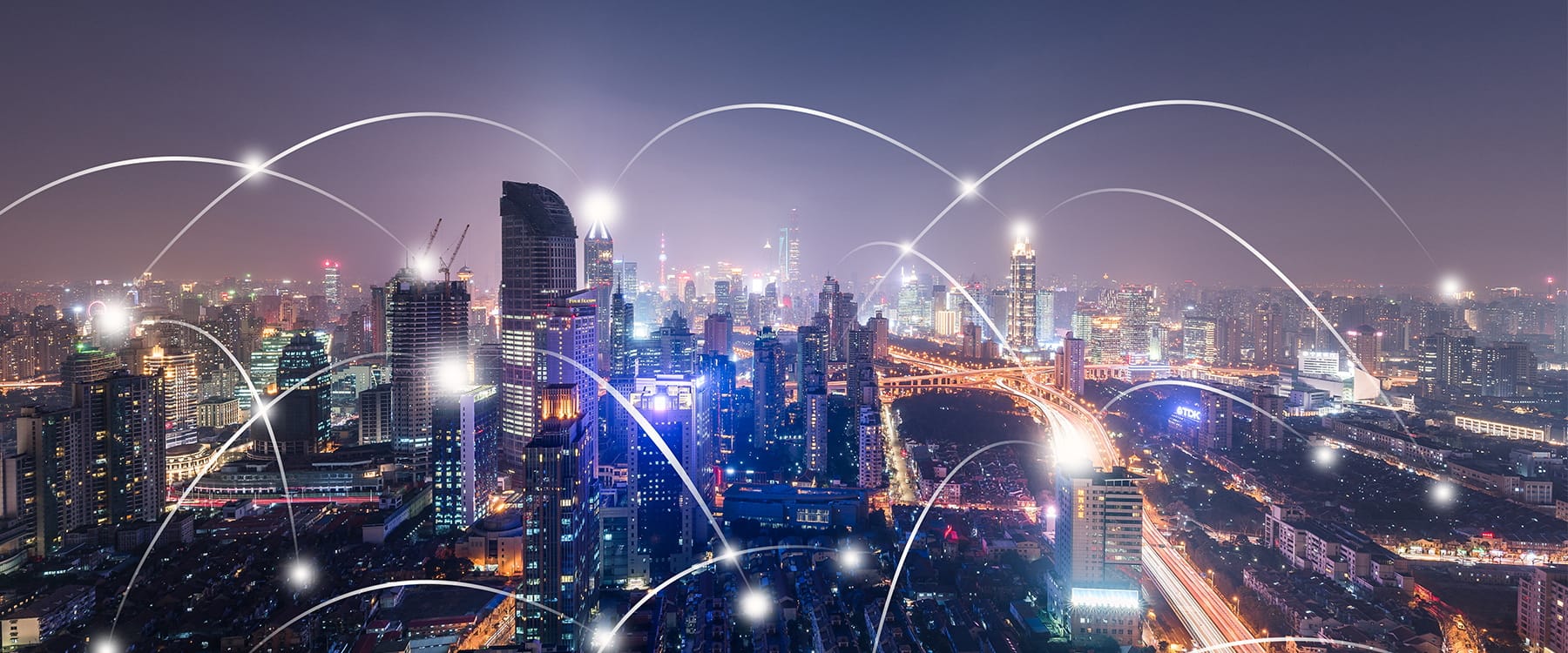
A smart city uses technology and data to improve urban life. Sensors, networks, and software help manage traffic, energy, water, and waste more efficiently. The goal isn’t just convenience — it’s sustainability, safety, and better services for citizens.
Imagine traffic lights that adjust automatically to congestion, or streetlights that dim when no one is around. These small changes save energy, reduce emissions, and make life smoother.
Technology Behind the Scenes
IoT (Internet of Things) devices are the backbone of smart cities. Sensors collect real-time data: air quality, traffic flow, energy usage, even noise levels. That data feeds into centralized platforms where AI and analytics optimize city systems.
For example, public transport can reroute buses based on passenger demand, or waste management trucks can pick up bins only when full. These systems save money, resources, and time.
Benefits for Citizens
Smart cities don’t just run better — they improve lives. Real-time apps alert residents to transit delays, air pollution levels, or parking availability. Emergency services can respond faster with live data, and city planning becomes more proactive instead of reactive.
Healthcare, energy, and public safety all benefit from connected systems, creating a more resilient urban environment.
Challenges to Consider
Building a smart city isn’t easy. High costs, cybersecurity risks, and privacy concerns are major hurdles. Collecting massive amounts of data must be balanced with protecting citizens’ rights. Additionally, older infrastructure can be tricky to integrate with modern technology.
Despite the challenges, cities around the world are adopting smart solutions gradually, proving that the future of urban life is digital, connected, and efficient.